
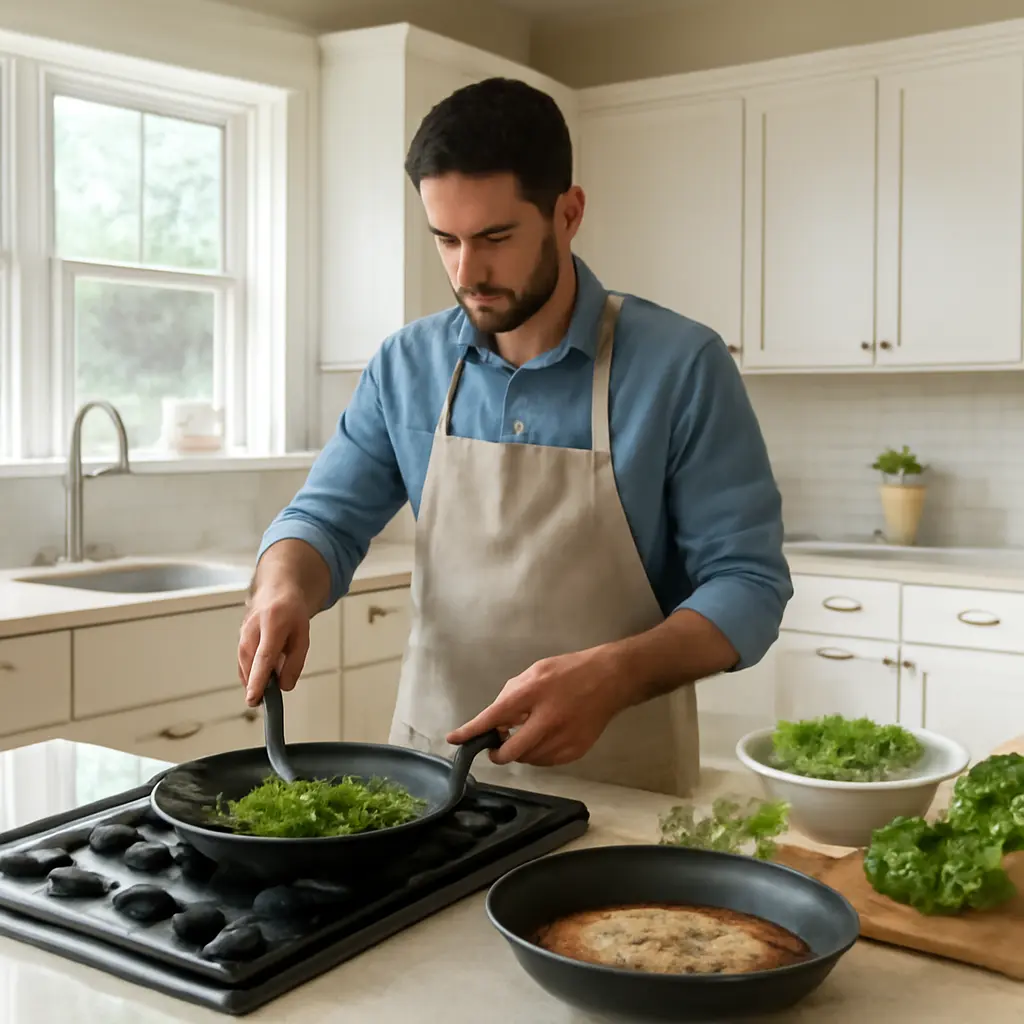
Fish-and-greens pairing means matching a fish’s flavor, richness, and cooking method with the taste and texture of vegetables such as spinach, kale, chard, or watercress. The most common mistakes are treating all fish and greens alike, overcooking one component while preparing the other, and overlooking salt, acidity, bitterness, or food-safety needs. A better match starts with the fish’s intensity and fat level, then balances the greens’ flavor and cooking time. That matters both for enjoyment and safe preparation: the U.S. Food and Drug Administration recommends cooking most seafood to an internal temperature of 145°F (63°C), while delicate greens can turn limp in only a few minutes.
Fish-and-greens pairing: matching flavor, texture, and cooking method
A useful pairing is not simply “fish plus a healthy vegetable.” It is a coordinated plate in which the fish and greens complement rather than compete with each other. The Culinary Institute of America’s general approach to flavor pairing emphasizes balancing tastes, textures, and intensity; applied here, that means considering whether a fish is mild or assertive, lean or oily, and whether the greens are sweet, earthy, bitter, or peppery.
Examples include mild cod with gently cooked spinach, rich salmon with bitter greens and lemon, and robust mackerel with peppery watercress. These are starting points, not strict rules: a sauce, spice blend, cooking technique, or the particular variety of greens can change the balance. The sections below explain the mistakes that most often undermine these combinations and how to correct them.
Mistake: pairing by color or nutrition alone
Color and nutrition do not tell you how a dish will taste. Mild, lean fish such as sole or cod can be overwhelmed by strongly bitter greens or a heavy dose of pungent garlic. Conversely, a rich fish such as salmon can taste flat beside mild greens unless the plate includes a contrasting note—such as lemon, vinegar, mustard, or a crisp vegetable.
A practical rule is to balance intensity: mild fish generally suit tender or lightly seasoned greens; oily, strongly flavored fish can stand up to peppery or bitter leaves. This is a culinary guideline, not a fixed scientific classification, and varieties and cooking methods differ. Taste a leaf before cooking and adjust the seasoning accordingly.
Mistake: ignoring bitterness, acidity, and salt
Greens such as mustard greens, mature kale, and dandelion leaves can taste bitter or peppery. Adding more salt is not always the answer: excessive seasoning may make both the vegetables and the fish taste harsh. A small amount of acidity—lemon juice, vinegar, or a tart dressing—can brighten the dish and balance bitterness, while a modest amount of fat can soften the greens’ sharp edges.
For example, serve oily sardines or salmon with lightly dressed bitter greens rather than adding a rich, salty sauce to both. With mild white fish, use a restrained dressing so the fish remains noticeable. Season in stages, taste, and finish with acid just before serving; prolonged cooking with lemon or vinegar can change the texture of delicate fish.
Fish-and-greens pairing: avoiding texture and timing errors
Once flavors are balanced, timing becomes the next challenge. Fish fillets and leafy vegetables usually cook at different speeds. Cooking them together for convenience can leave the fish dry, the greens watery, or both. Separate preparation gives more control, especially when the fish is thin or the greens are delicate.
Mistake: cooking greens until they lose their texture
Tender greens such as spinach and baby chard wilt quickly, whereas thick kale, collards, and mature mustard greens need more time and may benefit from removing their tough stems. Adding every green to the pan at the same time is a common reason for uneven results. Start tougher leaves first, then add tender leaves near the end, or cook the greens separately from the fish.
Overcrowding also traps steam. That can make sautéed greens watery and dilute the seasoning. Use a wide pan, cook in batches if needed, and drain or briefly dry washed greens before cooking. If the fish is already cooked, fold delicate leaves into the hot pan only long enough to wilt them.
Mistake: drying out fish while waiting for the greens
Lean fish has little fat to protect it from prolonged heat, so it can become dry before a slow-cooking green is ready. Prepare tougher greens first, then cook the fish close to serving time. For quick-cooking spinach or watercress, the order can be reversed: cook the fish, keep it warm safely, and finish the greens at the last moment.
The FDA advises cooking most seafood to 145°F (63°C), measured with a food thermometer. For fish without a thermometer reading, FDA guidance describes doneness as flesh that is opaque and separates easily with a fork. These are food-safety cues, not a reason to keep cooking after the fish has reached doneness; excessive heat harms texture.
Mistake: using the same technique for every green
“Greens” covers vegetables with very different structures. Spinach needs little cooking; kale is firmer; watercress is often best raw or barely wilted. Treating them as interchangeable can produce a plate where the fish is ready but the vegetables are still tough—or where the greens have collapsed before the fish is cooked.
Match the method to the leaf: blanch or sauté sturdy greens before serving them with quickly cooked fish; lightly wilt tender leaves; and use tender, fresh leaves as a salad when a crisp contrast is useful. The USDA’s MyPlate guidance encourages variety across vegetables, but variety does not mean every vegetable should be prepared in the same way.
Fish-and-greens pairing: choosing combinations that work
A reliable pairing considers three things together: the fish’s flavor and fat, the greens’ intensity and texture, and the seasoning or sauce connecting them. The following examples show how to apply that framework without treating any one combination as mandatory.
Mild white fish with tender greens
Cod, haddock, and sole have relatively delicate flavors, so they work well with spinach, baby chard, or mild lettuce. Cook the greens briefly and season simply with olive oil, herbs, and a little lemon. Avoid using an aggressively bitter green with a powerful sauce unless the fish is also seasoned enough to hold its own.
Rich or oily fish with bitter and peppery greens
Salmon, sardines, and mackerel have richer flavors that can balance kale, mustard greens, or watercress. Acidity helps keep the meal from feeling heavy. A real-world example is grilled salmon served with a lemon-dressed kale salad: the fish’s richness contrasts with the greens’ firmness and slight bitterness, while the dressing links the two.
Smoked or strongly seasoned fish with restrained greens
Smoked fish and heavily spiced fish bring substantial salt and flavor. Pairing them with equally salty, strongly seasoned greens can overwhelm the plate. Choose mild greens, taste before adding salt, and use fresh herbs or a gentle acidic dressing for contrast. This is especially useful for smoked trout with spinach or smoked salmon with a lightly dressed salad.
Fish-and-greens pairing: food-safety mistakes to avoid
Good flavor does not compensate for unsafe handling. Raw fish and unwashed produce can carry harmful microorganisms, so keep them separate during preparation and clean hands, knives, boards, and work surfaces between tasks. The FDA advises washing produce under running water; soap or detergent is not recommended for washing fruits and vegetables.
Mistake: allowing raw fish to contaminate greens
Keep ready-to-eat salad greens away from raw fish and its juices. Use separate boards or wash and sanitize equipment between tasks, and do not return cooked fish to a plate that held it raw. This matters particularly when greens will be served uncooked, because they will not receive a cooking step that could reduce contamination.
Mistake: assuming lemon makes raw fish safe
Citrus juice changes the texture and appearance of fish in dishes such as ceviche, but marinating in acid is not a dependable substitute for cooking. The FDA notes that cooking seafood is the safest option; people at higher risk of foodborne illness, including pregnant people, young children, older adults, and those with weakened immune systems, should avoid raw or undercooked seafood.
For a safer fish-and-greens meal, cook seafood thoroughly, wash produce under running water, refrigerate perishable ingredients promptly, and keep raw seafood separate from ready-to-eat vegetables. Follow current local food-safety guidance when handling seafood.
Conclusion: make fish-and-greens pairing deliberate
The most frequent fish-and-greens pairing mistakes are choosing by appearance rather than flavor, ignoring bitterness and acidity, using one cooking time for ingredients with different needs, and neglecting safe handling. Match mild fish with gentle greens, rich fish with more assertive leaves, and use seasoning to connect rather than overpower the components. Cook greens according to their texture, time the fish carefully, and use a thermometer to check seafood doneness.
These small decisions improve both taste and safety. For further guidance, consult FDA seafood and produce-safety recommendations, and try one new fish-and-greens combination at a time—adjusting seasoning only after tasting the cooked components.
Sources: U.S. Food and Drug Administration, Safe Food Handling, https://www.fda.gov/food/buy-store-serve-safe-food/safe-food-handling; U.S. Food and Drug Administration, Selecting and Serving Fresh and Frozen Seafood Safely, https://www.fda.gov/food/buy-store-serve-safe-food/selecting-and-serving-fresh-and-frozen-seafood-safely; U.S. Food and Drug Administration, Selecting and Serving Produce Safely, https://www.fda.gov/food/buy-store-serve-safe-food/selecting-and-serving-produce-safely; U.S. Department of Agriculture, MyPlate, https://www.myplate.gov/.