
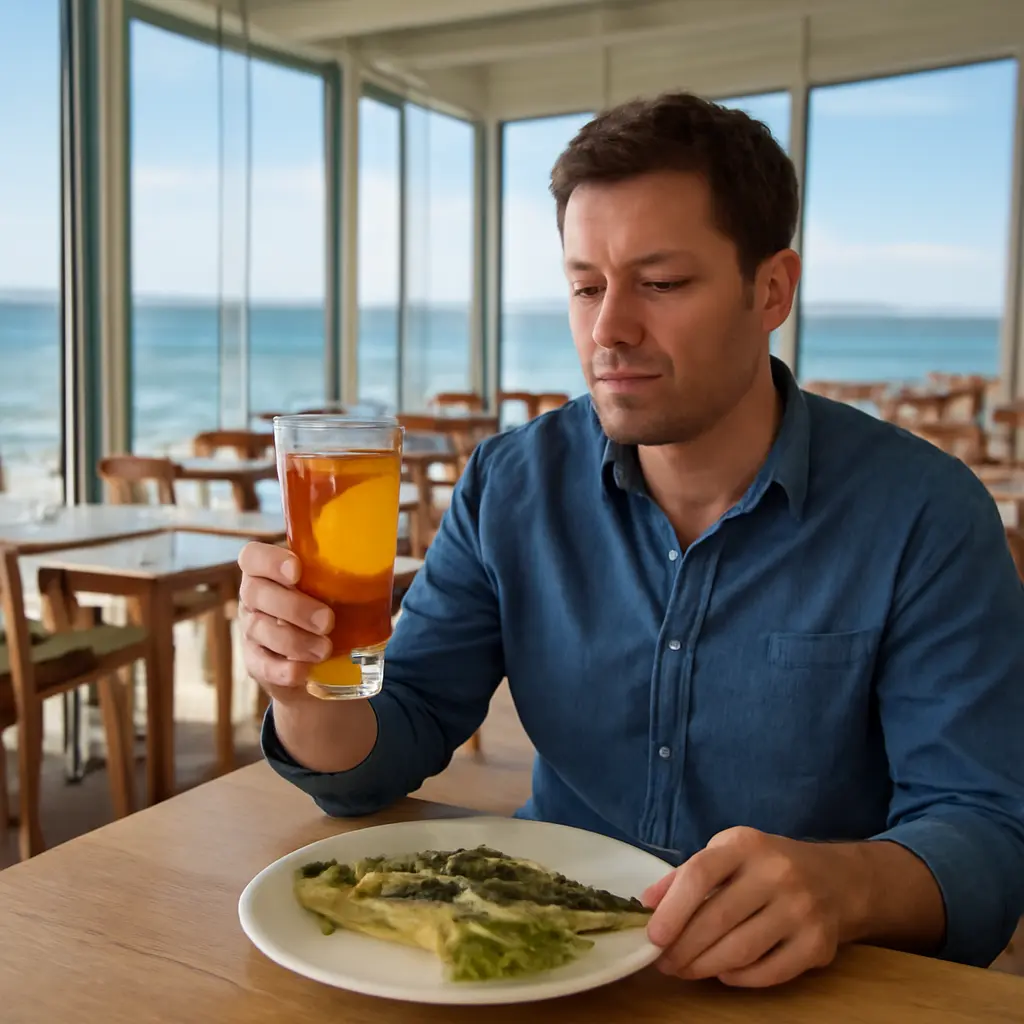
Fish does not have one universally “correct” beer pairing, and a friend’s favorite may overwhelm a delicate fillet or clash with its sauce. A better choice starts with the fish’s flavor, cooking method, and strongest seasoning: light-bodied pilsners and wheat beers often suit mild fish, while richer or more assertively flavored preparations can handle maltier or hoppier beers. Beer’s bitterness, carbonation, and malt sweetness all affect how a meal tastes, so match the whole dish—not simply “fish”—and treat pairing advice as a useful starting point rather than a rule.
Beer pairing depends on the fish dish’s flavor and structure
A beer-and-fish pairing is a choice of beverage intended to complement or balance a dish’s flavor, weight, texture, and preparation. The Brewers Association’s beer-and-food pairing guidance uses three broad approaches: match similar flavors, contrast different ones, or let a beer’s intensity stand up to the food. Applied to fish, that means considering more than the species: grilled salmon with a smoky crust is unlike poached salmon with lemon, even though both are salmon.
There is no single official pairing standard or reliable statistic proving one beer is best with a given fish. Individual recipes and preferences vary. Useful characteristics to assess include body, bitterness, carbonation, malt sweetness, acidity in the accompanying ingredients, and the intensity of the seasoning. These guideposts help explain why a delicate lager might work with plain cod while a robust porter could dominate it.
Match weight before choosing a beer style
“Weight” describes how substantial food and drink feel on the palate. Mild white fish, such as sole or cod, is often gently flavored and benefits from a lighter-bodied beer, such as a pilsner, blonde ale, or restrained wheat beer. A dense, oily fish like salmon or mackerel can take a fuller beer, particularly when grilled or served with a rich sauce. This is a practical pairing heuristic, not a guarantee: the preparation may matter more than the fish itself.
Use bitterness, malt, and carbonation with intention
Bitterness comes largely from hops, while malt contributes flavors that can range from bread-like to caramelized or roasted. A highly bitter IPA may make subtle fish taste faint, especially if the beer’s hop character is intense. Conversely, a crisp, moderately bitter pilsner can refresh the palate after fried fish. Carbonation also helps lift the sensation of oil and batter, which is one reason light lagers and sparkling beers are common partners for fish and chips.
Choose beer by preparation, seasoning, and sauce
Once the fish’s weight is clear, move to the dish’s strongest features. Frying adds fat and crispness; grilling adds char; citrus adds sharpness; and creamy sauces add richness. The most successful pairing usually responds to those elements rather than relying on a broad rule such as “white fish needs light beer.”
Fried fish and battered seafood
For fish and chips, fried cod, or battered shrimp, try a clean lager, pilsner, or pale ale with moderate bitterness. Their carbonation and relatively crisp finish can counter the coating’s richness without burying the seafood. If the batter is heavily seasoned, a more flavorful pale ale may work; if the fish is delicate and simply fried, keep the beer restrained. A wedge of lemon or vinegar-based condiment can shift the pairing, so taste the complete plate.
Grilled, smoked, and charred fish
Grilled fish brings browned, smoky notes that can pair with a Vienna lager, amber ale, or lightly smoky beer. For grilled salmon, a pale ale can complement the char and richness, but a very high-bitterness IPA may compete with the fish. Smoked fish can take a beer with more malt depth, provided its roast or smoke does not overwhelm the dish. Start with a moderate-strength option and adjust to the smoke level.
Citrus, spice, and creamy sauces
Lemon, lime, herbs, and salsa often work well with crisp lagers or wheat beers because their refreshing character does not crowd out bright flavors. Spicy fish tacos may pair with a lower-bitterness lager or a wheat beer; strong hop bitterness can feel especially forceful alongside chili heat for some drinkers. Rich butter or cream sauces can support a fuller-bodied beer, while an overly sweet beer may make the meal feel heavy. Pair to the sauce’s intensity and sweetness, not just the fish.
Beer styles offer starting points, not pairing commandments
Beer styles are useful shorthand for expected flavor and body, but the same style can vary substantially between breweries. The Brewers Association describes beer styles through characteristics such as appearance, aroma, flavor, and body; those traits are more useful for pairing than the style name alone. Check the beer’s actual bitterness, alcohol strength, and malt profile when available, especially if the dish is delicate.
Pilsner and pale lager
Pilsner and pale lager are common all-purpose choices for mild fish, fried seafood, and fish tacos. They are generally crisp and refreshing, with enough carbonation to reset the palate. A strongly bitter or unusually malty example may behave differently, so “lager” is not an automatic guarantee of a light pairing.
Wheat beer and blonde ale
Wheat beers and blonde ales can suit poached or grilled white fish, seafood salads, and dishes with herbs or citrus. Their often-soft, lightly fruity or bready profiles can complement mild ingredients. Some wheat beers have pronounced spice or fruit character, however, so choose one that complements rather than masks the recipe.
Pale ale, IPA, and darker beers
Pale ales and IPAs are stronger candidates for assertive seasoning, grilled crust, or oily fish than for plain, delicately cooked fillets. Their hop bitterness and aroma can dominate subtle flavors, particularly when the beer is intensely bitter. Amber ales may suit grilled or glazed preparations through their malt character. Porters and stouts are usually more challenging with mild fish, but a restrained dark beer can work with smoked seafood or a dish featuring dark, roasted flavors. These are possibilities to test, not universal matches.
A simple method beats copying a friend’s order
A friend’s recommendation can be a good lead, but it reflects their palate and the dish they tried—not necessarily your meal. Use a quick, repeatable process instead:
- Identify the fish’s intensity: delicate, moderate, or rich.
- Note the cooking method and the strongest element, such as batter, smoke, chili, citrus, or cream.
- Choose a beer with comparable intensity, or use a crisp beer to contrast richness.
- Ask about the beer’s bitterness and body rather than relying on its name alone.
- If possible, order a small pour or sample, taste it with a bite of the dish, and adjust.
For example, consider two cod dishes. A simple poached cod with herbs is likely to be best served by a restrained pilsner or wheat beer, while battered cod with fries can welcome a crisp lager that refreshes between bites. The fish is the same; the texture and accompaniments change the pairing. A restaurant’s tasting pour or staff recommendation can help, but describe the dish and the flavors you enjoy instead of asking for “the beer that goes with fish.”
Conclusion: order for the dish, not the slogan
Beer pairing works best when it accounts for a dish’s weight, cooking method, seasoning, and sauce. Light lagers and wheat beers are practical starting points for mild or citrus-forward seafood; crisp beer often suits fried fish; and grilled, smoked, oily, or boldly seasoned dishes can support more flavor and body. These are flexible guidelines, not strict laws. Next time, tell the server how the fish is prepared, ask about bitterness and body, and choose a small pour if you are unsure. That is more reliable than automatically ordering whatever your friend recommends.
Sources: Brewers Association, Beer and Food, https://www.brewersassociation.org/educational-publications/beer-and-food/; Brewers Association, Beer Style Guidelines, https://www.brewersassociation.org/edu/brewers-association-beer-style-guidelines/; CraftBeer.com, Beer and Food Pairing, https://www.craftbeer.com/beer-and-food