
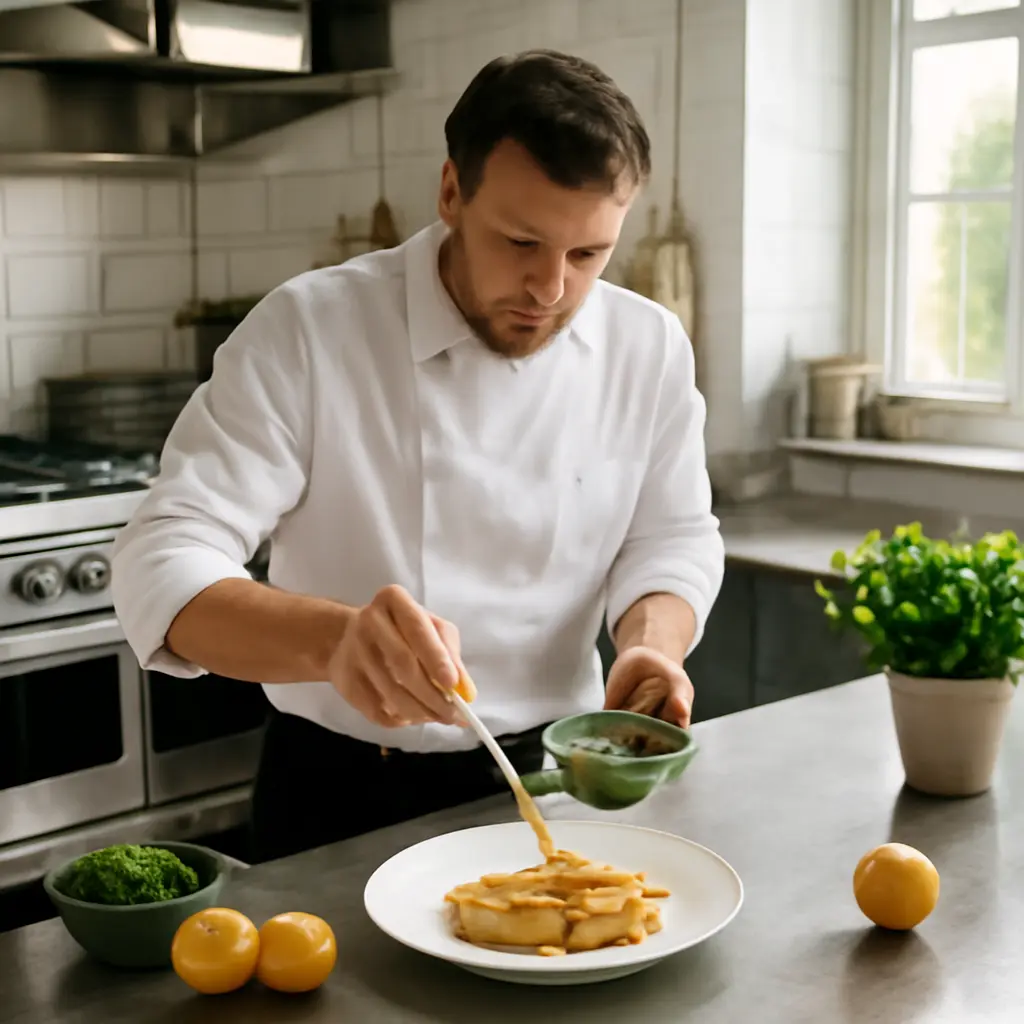
Bright citrus butter sauces are a classic seafood pairing enjoying renewed visibility on restaurant menus, though public data do not establish that they are “taking over” seafood dining everywhere. The appeal is easy to understand: lemon or other citrus adds acidity to rich butter, while the sauce’s fat carries aroma and complements seafood’s delicate flavors. Restaurants can vary the formula—from French beurre blanc to lemon-caper butter—and adapt it to fish, shellfish, and different cooking styles. The trend also fits a large dining category: the National Restaurant Association’s 2024 industry report estimated U.S. restaurant and foodservice sales at $1.1 trillion, but it does not track citrus-butter sauces specifically. Here’s how the sauce works, which versions appear on menus, and what diners and chefs should know.
Citrus Butter Sauces Balance Seafood Flavor
A citrus butter sauce is a preparation that combines butter with citrus juice, zest, or both, usually with seasoning and sometimes stock, wine, herbs, or aromatics. Its defining balance is between butter’s richness and citrus’s acidity. The Culinary Institute of America’s general approach to sauce-making emphasizes balancing flavor, texture, and the food being served; in this pairing, acidity helps keep a butter-based sauce from tasting heavy.
The phrase describes a family of sauces rather than one standardized recipe. Some are emulsions, in which droplets of fat are dispersed through liquid; others are melted-butter preparations. Common versions include lemon butter, beurre blanc with citrus, orange butter, and compound butter finished with citrus zest. Their shared purpose is to season and enrich seafood without masking it.
Lemon Butter: The Familiar Baseline
Lemon butter is melted butter seasoned with lemon juice, zest, or both. It is often served with crab, lobster, shrimp, scallops, and simply cooked fish. Juice contributes sharp acidity; zest supplies aromatic citrus oils without adding as much liquid. Garlic, parsley, black pepper, or capers may add savory or briny notes.
This straightforward version is especially useful when the seafood itself has a strong identity. A small amount can gloss grilled salmon or spoon over pan-seared scallops, while a bowl of warm lemon butter makes a familiar accompaniment to shellfish. Because it can separate, cooks may add the butter gradually or serve it as a simple melted sauce rather than trying to maintain a stable emulsion.
Beurre Blanc: A More Structured Emulsion
Beurre blanc is a French butter sauce made by reducing an acidic liquid—traditionally wine and vinegar—with aromatics, then whisking in cold butter. Citrus can replace or supplement some of the traditional acidity. The result is a smooth, rich emulsion that can be served with white fish, trout, or shellfish.
Temperature and technique matter: excessive heat can cause the emulsion to break, leaving greasy butter and watery liquid. A cook typically adds butter in pieces over low heat while whisking. The sauce’s acidity, silky texture, and restrained seasoning make it a useful contrast to delicate seafood, but it is more technically demanding than melted lemon butter.
Caper, Herb, and Orange Variations
Citrus butter can be adjusted with ingredients that change its flavor without changing its basic role. Capers add salt and briny sharpness; parsley, dill, or chives contribute fresh herbal notes; orange or tangerine brings a sweeter, more fragrant profile than lemon. These variations can suit richer fish, grilled seafood, or dishes that already include herbs and vegetables.
The choice of citrus should match the dish. Lemon is a versatile, assertive option; lime can complement chili and tropical flavors; orange is gentler and sweeter. Since citrus juice varies in acidity, tasting and adjusting gradually is more reliable than following a fixed ratio alone.
Why the Pairing Works on Seafood Menus
Citrus butter is appealing to chefs because it can make a dish feel polished while relying on familiar ingredients. A shared sauce base can be adapted with herbs, spices, wine, or different citrus, and a modest portion can add aroma and richness to grilled or roasted seafood. That flexibility helps explain its presence across restaurant styles, but it is not evidence of a measured, industry-wide surge.
The National Restaurant Association’s 2024 report estimated that U.S. restaurant and foodservice sales would reach $1.1 trillion that year. This figure indicates the scale of the overall market, not the popularity of any particular sauce. Neither that report nor other broad industry statistics cited here count citrus-butter dishes, so claims that they are “taking over” should be understood as a menu observation or editorial framing rather than a verified national trend.
A Flexible Finish for Different Seafood
A citrus butter sauce can be tailored to the ingredient and cooking method. Delicate poached fish may need only a light beurre blanc; grilled shrimp can handle garlic, lemon, and herbs; lobster and crab are commonly paired with melted butter. The sauce also works as a finishing element, added just before serving, rather than as a marinade that might overpower or obscure seafood’s natural flavor.
For home cooks and restaurant kitchens alike, a useful rule is to adjust sauce intensity to the seafood’s richness and preparation. A fatty fish can take a sharper sauce, while a mild white fish benefits from a lighter hand. Salt should be added carefully, especially when the dish includes capers, salted butter, or naturally briny shellfish.
Menu Examples and a Practical Comparison
A menu might describe pan-roasted halibut with lemon-caper butter, grilled prawns with lime-herb butter, or scallops with orange beurre blanc. These examples illustrate how the same broad pairing can shift from briny and savory to fragrant and sweet. They are representative applications, not a statistical survey of current restaurant menus.
A simple comparison chart can help match sauce style to seafood: lemon butter is the quickest and most direct; beurre blanc is smooth and wine-accented; caper butter is punchier and saltier; orange butter is softer and more aromatic. In each case, the sauce should support the main ingredient rather than dominate it.
Cooking, Nutrition, and Food-Safety Considerations
The same richness that makes butter sauce satisfying also makes portion size and handling relevant. Butter contributes saturated fat and calories, while citrus contributes acidity and aroma. A sauce can be served on the side or spooned sparingly over seafood so diners can control how much they use. For nutrition specifics, check the ingredient labels and serving amounts; recipes vary too widely for one universal figure to be meaningful.
Keep the Emulsion Stable
An emulsion is a mixture of liquids that do not naturally remain combined, such as butterfat and an acidic reduction. For beurre blanc, use cold butter, whisk it in gradually, and avoid boiling the finished sauce. If it begins to separate, gentle whisking off the heat may help; adding a small amount of warm water can sometimes bring it back together. A sauce that has split is generally still usable, though its texture will be less smooth.
Handle Seafood Safely
A butter sauce does not make improperly handled seafood safe. The U.S. Food and Drug Administration advises cooking most seafood to an internal temperature of 145°F, with visual checks such as opaque flesh and easy separation with a fork also used for some fish. Keep raw seafood separate from ready-to-eat foods, wash hands and utensils, and refrigerate seafood promptly. Follow current FDA guidance for seafood types with different cooking or consumption recommendations.
For restaurant diners, asking for sauce on the side can help with portion preference and make it easier to assess the seafood itself. For cooks, prepare the sauce close to serving time and keep it at a safe, controlled temperature without letting an emulsion boil.
Conclusion: A Classic Pairing, Not a Proven Takeover
Bright citrus butter sauces bring together a clear culinary contrast: butter adds richness, while citrus supplies acidity and aroma. Lemon butter, beurre blanc, caper variations, and orange-based versions offer chefs different ways to finish fish and shellfish. Their adaptability makes them a dependable menu choice, but available industry data do not show that these sauces are taking over seafood menus nationwide.
To explore the pairing, compare a simple lemon butter with a citrus beurre blanc, choose seafood that suits the sauce’s intensity, and serve the sauce in moderation. For further reading, consult professional culinary references for technique and FDA guidance for seafood safety.
Sources: National Restaurant Association, 2024 State of the Restaurant Industry Report, https://restaurant.org/research-and-media/research/research-reports/state-of-the-restaurant-industry/; U.S. Food and Drug Administration, Selecting and Serving Fresh and Frozen Seafood Safely, https://www.fda.gov/food/buy-store-serve-safe-food/selecting-and-serving-fresh-and-frozen-seafood-safely; Culinary Institute of America, The Professional Chef, https://www.ciachef.edu/cia-press/