
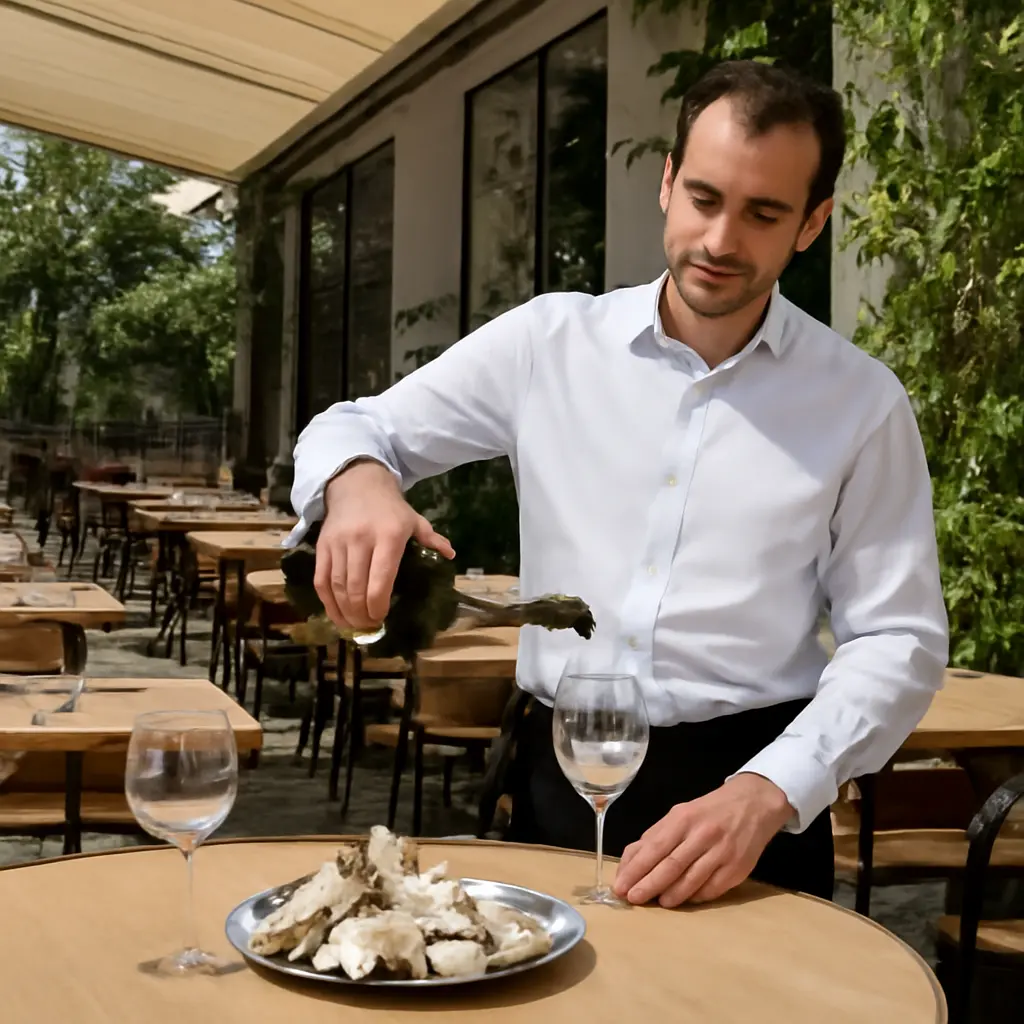
Palate cleansing is the brief reset of lingering flavors and sensations between bites or sips. Champagne can help provide that reset: its acidity, carbonation, and relatively low sweetness may make it feel especially refreshing with rich or salty food. But “better than anything else” is not a scientifically established fact. Water is a dependable neutral option, and the best cleanser depends on the food, the drink, and personal preference. Understanding how cleansing works—and what sparkling wine can and cannot do—makes it easier to choose a pairing without mistaking a pleasing sensation for a proven universal effect.
Palate cleansing and champagne: what the pairing means
A palate cleanser is something consumed or used to reduce the lingering impact of a previous taste or mouthfeel so that the next taste can be perceived more clearly. The effect is practical rather than absolute: no food or drink instantly erases every aroma molecule or resets taste receptors. In wine service, champagne—sparkling wine made in France’s Champagne region under protected production rules—is often chosen because its bubbles and acidity create a lively contrast with fatty, salty, or creamy foods.
There is no single accepted scientific measure of “palate-cleansing power,” and direct comparative trials showing champagne outperforms every other cleanser are lacking. Sensory research instead supports the underlying mechanisms: carbonation produces a distinctive tactile sensation, while acidity and flavor contrast can make a sip seem refreshing. The distinction matters: champagne may be an excellent pairing, but it is not a universally superior rinse.
Sensory reset: taste, aroma, and mouthfeel
Flavor is a combination of taste, smell, and oral sensations such as warmth, astringency, and texture. A sip can therefore change what the next bite seems like without literally removing every trace of the previous one. The National Institute on Deafness and Other Communication Disorders explains that smell contributes importantly to flavor perception; meanwhile, food residues and persistent compounds can continue to influence the mouth after swallowing.
Champagne’s bubbles and acidity
Champagne’s effervescence supplies a prickling sensation that contrasts with creamy textures, and its acidity can make a sip seem crisp alongside rich food. Carbon dioxide dissolved in a drink also contributes to its sensory bite. These features explain why sparkling wine is commonly paired with foods such as fried snacks, oysters, and soft cheeses; they do not establish that bubbles physically scrub the palate clean or that all champagne has the same acidity or sweetness.
How champagne works as a palate cleanser
Champagne’s cleansing reputation is best understood as a combination of contrast, refreshment, and pairing. A dry, high-acid style can feel brisk after fatty food, while carbonation adds a distinct mouth sensation. The result may make the next bite feel less heavy. Yet champagne itself has strong aromas and flavors, so it can also become part of the tasting sequence rather than a neutral reset.
Acidity and richness
Acidity is the tart sensation associated with acids in foods and drinks. In a meal, tartness can provide contrast to fat and richness, which is why acidic beverages are often served with creamy or oily dishes. The effect is a matter of balance and perception: acidity does not chemically remove fat from the mouth in the way detergent removes grease from a pan.
Carbonation and texture
Carbonation is carbon dioxide held in a liquid under pressure and released as bubbles when the pressure changes. In sparkling wine, the bubbles create a fizzy, tingling sensation and contribute to the drink’s texture. That sensation can interrupt the continuity of a rich or coating mouthfeel, but the claim that bubbles are a literal palate scrub is a metaphor, not a demonstrated cleaning mechanism.
Dryness, dosage, and style
Champagne varies in sweetness, acidity, body, and flavor. “Brut” is a sweetness category for sparkling wine, not a guarantee that the wine contains no sugar; the European Union’s wine rules permit up to 12 grams of sugar per liter for Brut sparkling wine. A drier style may be more suitable when the goal is contrast with savory food, while sweeter styles can work better with desserts. The right choice depends on the dish and on whether sweetness would refresh or compete with it.
Other palate cleansers and how they compare
Palate cleansing includes several related approaches: neutral drinks, simple foods, and pauses between courses. Each addresses a different sensory problem. Water is useful for rinsing and hydration; plain bread or crackers may provide a mild, absorbent bite; acidic or carbonated drinks offer stronger contrast. A cleanser that works after oily food may not be ideal between delicate wines, where its own flavor could dominate.
Water: the neutral baseline
Still water is a practical default because it adds little flavor and can help wash away loose food residues. It is also the sensible choice for people avoiding alcohol. Water may not counter a strong coating sensation as vividly as a tart, fizzy drink, but neutrality is an advantage when the next item is subtle or when the goal is simply to rinse.
Bread, crackers, and plain foods
Plain bread and unsalted crackers are traditional between-taste options because they are relatively mild. They can help interrupt a sequence of flavors, but they are still food and can leave starch or crumbs behind. For a formal tasting, small portions and water may be more practical than repeatedly eating bread, especially when assessing delicate aromas.
Citrus, pickles, and strongly flavored rinses
Lemon, pickled foods, coffee, and strongly flavored beverages may feel refreshing in some contexts, but they also bring their own acidity, bitterness, salt, or aroma. That makes them less neutral than water and potentially disruptive between subtle samples. For example, a pickle may cut the perceived heaviness of a rich bite while making a delicate white wine taste sharper or less balanced immediately afterward.
When champagne is—and is not—the best choice
Champagne is most persuasive as a palate-cleansing partner when the food is rich enough to benefit from contrast and the wine’s own character suits the dish. It is less convincing as a universal cleanser between delicate tastings, for people who avoid alcohol, or when sweetness and strong aromas would interfere with the next flavor. In other words, the best pairing is contextual, not absolute.
Real-world pairing examples
A dry champagne with fried food offers bubbles and acidity against a crisp, fatty texture; champagne with oysters pairs a sparkling texture with a briny ingredient; and a softer, richer style may suit creamy cheese. These are examples of complementary contrast, not proof that champagne clears the palate more effectively than water or another sparkling wine. Serving temperature, serving size, and the specific food all influence the experience.
Alcohol, moderation, and alternatives
Champagne is an alcoholic beverage, so it is not appropriate for everyone or every occasion. The U.S. Centers for Disease Control and Prevention notes that drinking less is better for health than drinking more, and some people should avoid alcohol entirely, including during pregnancy and when certain medications or health conditions are involved. Alcohol-free sparkling drinks or plain water can offer bubbles or refreshment without champagne’s alcohol; check labels, since nonalcoholic products vary in sweetness and ingredients.
Conclusion: choose a cleanser for the next taste
Palate cleansing is a real sensory practice, but champagne’s reputation needs a qualification: its acidity, carbonation, and contrast with rich foods can make it feel exceptionally refreshing, yet evidence does not establish it as better than every alternative. Water remains a useful neutral baseline, while plain foods and other drinks suit particular situations. Consider the food, the next flavor, and whether alcohol is appropriate; then choose the option that refreshes without overpowering what comes next.
For further exploration, compare a small sip of water with a dry sparkling wine between bites of the same rich food, paying attention to aftertaste and mouthfeel rather than assuming one must win. Taste thoughtfully, drink in moderation, and let the pairing—not the slogan—guide the choice.
Sources: National Institute on Deafness and Other Communication Disorders, Taste Disorders, https://www.nidcd.nih.gov/health/taste-disorders; European Commission, Commission Delegated Regulation (EU) 2019/33, Annex III, https://eur-lex.europa.eu/eli/reg_del/2019/33/oj; U.S. Centers for Disease Control and Prevention, About Alcohol Use, https://www.cdc.gov/alcohol/about-alcohol-use/