
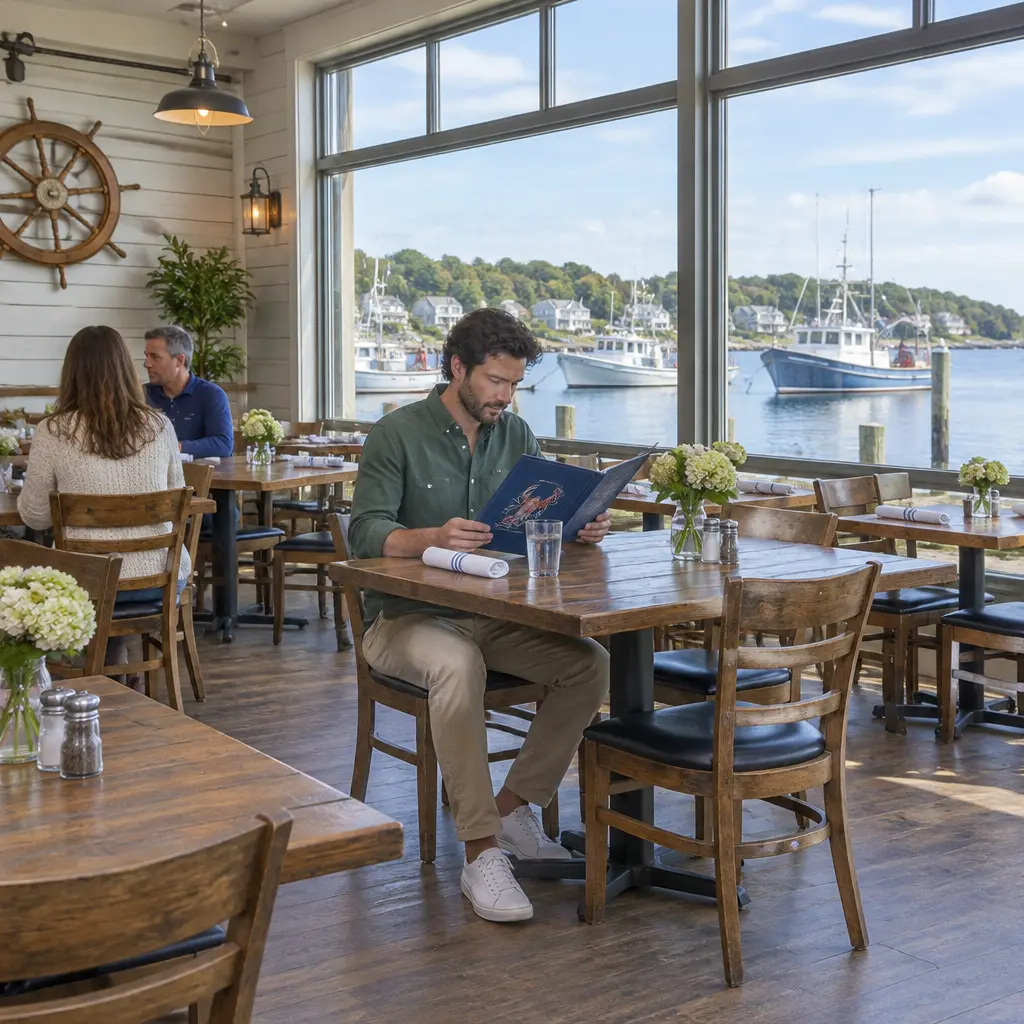
Seafood dining for a relaxed date night pairs fresh seafood, an easygoing atmosphere, and a pace that leaves room for conversation. The National Restaurant Association’s 2024 industry report identifies dining out as a valued social experience, while NOAA Fisheries reported that U.S. seafood consumption averaged 19.1 pounds per person in 2022. Those figures help explain why seafood restaurants can suit a special occasion without requiring a formal, high-pressure evening. Choosing a comfortable venue, sharing approachable dishes, and checking practical details such as price, allergies, and sourcing can make the occasion feel both thoughtful and relaxed.
Seafood dining creates relaxed date nights through atmosphere and menu choice
“Seafood dining for a relaxed date night” is not a formal industry category with a single authoritative definition. Here, it means a meal centered on seafood in a setting that supports conversation and comfort rather than ceremony. The U.S. Food and Drug Administration (FDA) describes seafood as including fish and shellfish; this broad category gives couples options ranging from familiar fish tacos to oysters and grilled whole fish.
A relaxed seafood date can be casual, coastal, or quietly upscale. The shared qualities are practical: a menu with choices for different tastes, service that does not feel rushed, and an atmosphere where diners can hear one another. Restaurant atmosphere matters because a date night is not only about the food; seating, noise, lighting, and timing shape the experience too.
Casual seafood restaurants
Casual seafood dining includes fish-and-chip shops, oyster bars, neighborhood restaurants, and counter-service spots. Familiar dishes and flexible dress expectations can lower the pressure of a first date or an unplanned night out. A useful approach is to check menus in advance for a mix of seafood and non-seafood options, especially when one guest is less adventurous or has dietary needs.
Coastal and waterfront dining
A waterfront or coastal restaurant adds a sense of place through views, local specialties, and seasonal menus. The setting can make the evening feel distinctive without requiring elaborate plans. Views and popular dining times may also bring crowds or higher prices, so a reservation and an early or later seating can help keep the visit comfortable.
Quiet, polished seafood dining
A polished seafood restaurant can still feel relaxed when service is warm, portions are approachable, and the menu is easy to navigate. Rather than choosing a venue solely for its reputation, consider whether its atmosphere matches the occasion. A quieter dining room may suit a conversation-focused evening better than a busy destination restaurant.
Menu choices make seafood date nights easier to share
Menu planning is the bridge between finding the right atmosphere and enjoying the meal. Seafood menus often combine raw, cooked, and shellfish dishes, so diners can choose by flavor, preparation, budget, and comfort level. The FDA advises that people who are pregnant, older, immunocompromised, or very young should avoid certain raw or undercooked seafood because of food-safety risks; cooked options offer an easier choice for guests who need to be cautious.
Shareable starters
Shareable starters—such as cooked shrimp, crab cakes, smoked fish, or grilled calamari—give a couple a low-commitment way to explore a menu together. Ask about portion size before ordering several dishes, and confirm ingredients when allergies or dietary restrictions are involved. Shellfish is a major food allergen, and cross-contact can occur in restaurant kitchens; guests with allergies should tell staff clearly and ask how the dish is prepared.
Approachable mains and cooking styles
Grilled, baked, or pan-seared fish tends to be a straightforward main-course choice, while fried preparations offer a heartier option. Sauces and sides can make the same fish feel light or rich, so asking about preparation is useful when balancing preferences. If one person wants seafood and the other does not, restaurants with poultry, vegetarian, or pasta dishes can keep the occasion inclusive.
Raw seafood and informed choices
Oysters, sushi, and ceviche are popular raw or lightly prepared choices, but they are not appropriate for every diner. The FDA recommends avoiding raw or undercooked seafood for people at higher risk of foodborne illness. For a relaxed date, there is no need to treat raw seafood as a test of adventurousness: cooked alternatives can be just as memorable and are often easier to share.
Restaurant atmosphere supports conversation and comfort
A successful date-night setting balances energy with ease. Noise, table spacing, lighting, and service pace can affect whether guests feel able to talk and linger. The National Restaurant Association’s consumer research regularly examines dining motivations and experiences, but preferences vary by individual; the most reliable choice is a venue that fits both guests’ comfort and the purpose of the evening.
Noise, seating, and timing
A table away from a bar, kitchen entrance, or loud group can make conversation easier. When booking, guests can request a quieter table, mention an accessibility need, and ask whether the restaurant accommodates a preferred seating time. Dining outside peak hours may also reduce waiting and make service feel less hurried.
Reservations and budget expectations
Seafood prices can vary with species, season, location, and market availability. Checking the menu and current prices before reserving helps avoid surprises, particularly for market-priced items. Agreeing on a comfortable budget beforehand can make ordering easier and keep attention on the company rather than the bill.
Seafood sourcing adds meaning to the occasion
Sourcing refers to where seafood comes from and how it was caught or farmed. NOAA Fisheries explains that U.S. fisheries are managed under federal law with the aim of preventing overfishing and rebuilding depleted stocks, while standards and conditions differ across fisheries and countries. For diners, asking about origin or choosing a restaurant that shares sourcing information can add context to the meal without turning a date into a research project.
Seasonal and local seafood
Seasonal menus may reflect local availability, which can influence freshness, variety, and price. A server can often explain the day’s catch or recommend a regional specialty. As a real-world example, a coastal restaurant might feature locally landed fish when available and offer a different species when conditions or supply change; diners should ask what “local” means for that particular menu.
Sustainability questions that stay practical
Sustainable seafood is not a single label that guarantees every environmental outcome. Species, stock status, catch method, farm practices, and traceability all matter. The Monterey Bay Aquarium Seafood Watch program provides consumer recommendations by species and source, while NOAA Fisheries publishes information on U.S. fisheries. A simple question—“Where is this seafood from, and how was it caught or raised?”—can help diners make a more informed choice.
Planning turns seafood dining into a low-pressure date
A few small decisions can make the evening feel considered without overplanning. Choose a restaurant based on shared preferences, verify opening hours and menu details, and reserve if the venue is popular. If dietary needs are involved, contact the restaurant ahead of time rather than relying on assumptions at the table.
- Pick an atmosphere that supports the kind of conversation you want.
- Review the menu and price range together before booking.
- Tell restaurant staff about allergies and ask about preparation or cross-contact.
- Choose cooked seafood if raw or undercooked dishes are unsuitable.
- Ask about the origin of a featured catch if sourcing matters to you.
Conclusion: relaxed seafood dates combine comfort, choice, and care
Seafood dining can make a date night feel special without making it formal. Casual, coastal, and polished restaurants each offer different advantages; thoughtful menu choices, comfortable seating, and clear budget expectations help the evening run smoothly. Food-safety guidance and sourcing questions can also inform decisions, especially when guests have allergies, health considerations, or sustainability preferences. Choose a place that feels welcoming, check the details that matter to both diners, and let the meal support the conversation.
Sources: National Restaurant Association, 2024 State of the Restaurant Industry Report, https://restaurant.org/research-and-media/research/research-reports/state-of-the-restaurant-industry/; NOAA Fisheries, Fisheries of the United States, 2022, https://www.fisheries.noaa.gov/national/sustainable-fisheries/fisheries-united-states-2022; U.S. Food and Drug Administration, Selecting and Serving Fresh and Frozen Seafood Safely, https://www.fda.gov/food/buy-store-serve-safe-food/selecting-and-serving-fresh-and-frozen-seafood-safely; U.S. Food and Drug Administration, Food Allergies, https://www.fda.gov/food/food-labeling-nutrition/food-allergies; NOAA Fisheries, Sustainable Fisheries, https://www.fisheries.noaa.gov/topic/sustainable-fisheries; Monterey Bay Aquarium Seafood Watch, Seafood Recommendations, https://www.seafoodwatch.org/recommendations.